

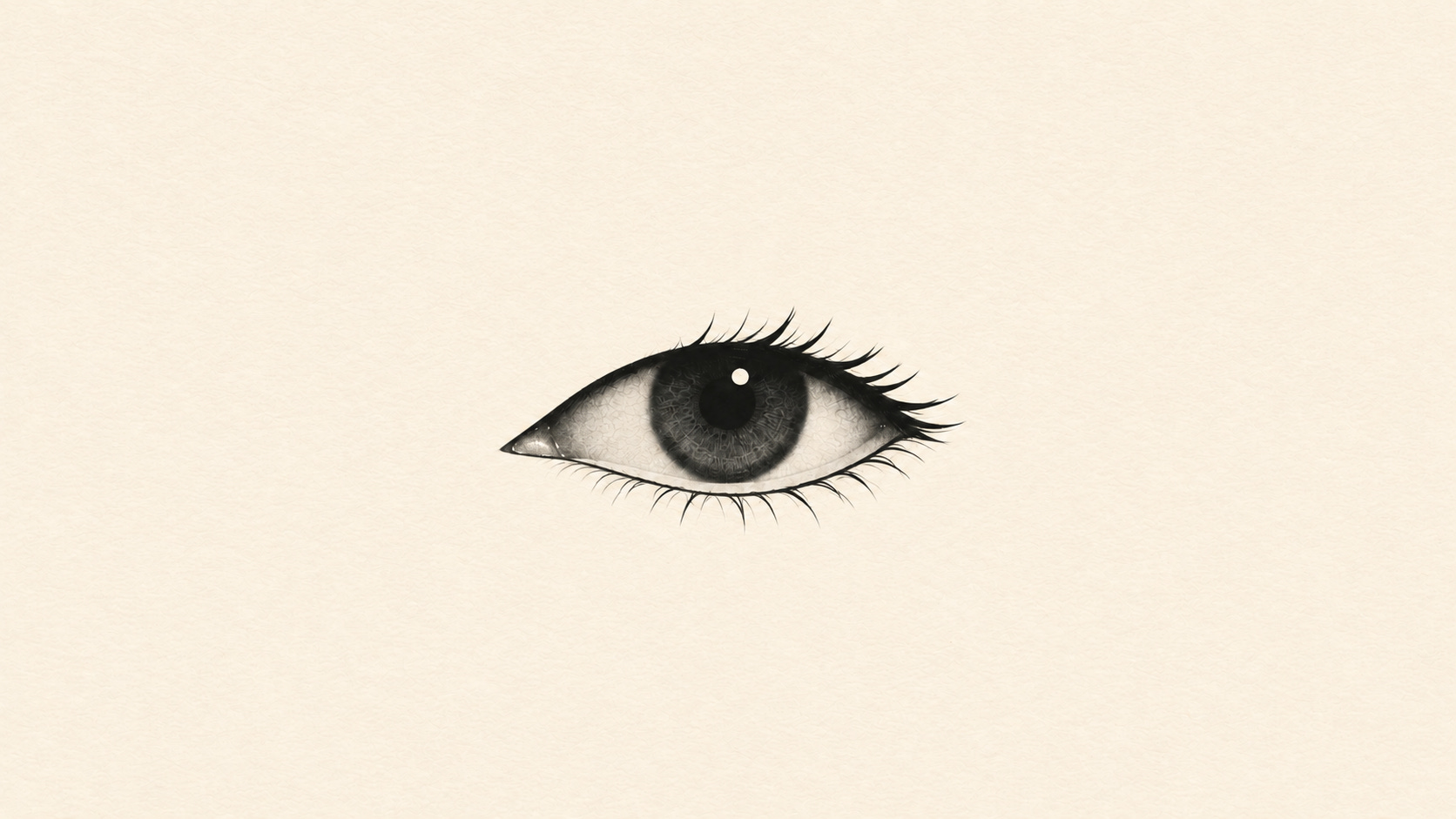
Joe Rogan recently compared AI to God: “It reads your mind, and it loves you.” Sam Altman said he was “very uncomfortable about people trying to ascribe religious force.” And the Pope wrote about the risk of “building a future that excludes God.” The arrival of superhuman intelligence — of superhuman power — gives rise to a variety of religious analogies and scenarios. I would like to explore a narrow, personal aspect of AI’s divine implications.
One of my favorite verses in the Bible is Deuteronomy 18:13. The King James Version translates it as “Thou shalt be perfect with the Lord thy God,” but the Hebrew original is richer and more open to interpretation. What English calls “perfect” is the Hebrew word tamim (תמים), which could mean innocent, naive, complete, whole, or just true.
None of these words means perfect, and some could even mean the exact opposite in this context: For mere mortals, being complete and innocent means being imperfect; it means being your true self as you face God, rather than pretending to be anything or anyone else.
In addition, the English “thou shalt” sounds like a direct commandment, while the Hebrew tihiye (תהיה) means something between “you will be” and “you should be” — it can be read as a requirement, but also as a simple statement about the future. Hebrew is generally less clear than English, but here the phrasing is intentionally open to interpretation. Indeed, many Bible interpreters have weighed in on what the verse actually means.
My favorite interpretation comes from Rabbi Simcha Bunim, who lived in Poland around 200 years ago. He points out that this is the only commandment in the Bible that asks us to be a certain way with God. Other commandments tell us what to do, how to treat others, how to treat animals and property, how to act on our own, and how to serve God. But this is the only instruction that speaks about how we should be with God.
This focus on being, Rabbi Simcha says, tells us that this verse is about innocence rather than perfection or completeness. How come? With other people, it is easy to pretend to be innocent. But with the omniscient God, it is impossible to pretend to be anything you are not.
In keeping with Jewish tradition, the Rabbi’s interpretation answers one question and reveals another: If you should not try to pretend, does this mean you should behave badly with God or make an effort to do better? That second question raises a third: If you do better because you think God can see you, are you actually better, or just pretending?
Judaism has a simple answer to that final question: Your actions are all that matter. A good deed is as good, and a completed commandment is as complete, whether done out of fear, faith, or love.
Which brings me to artificial intelligence: Can it be as omniscient as God? And if it can, how should we behave in its presence? More precisely, how will its presence alter our behavior?
Luckily, I can make my point without answering the first question (but for the record, the answer is no). But even without divine attributes, artificial intelligence can have a God-like effect by enabling a mundane activity: Hacking. Yes, hacking. AI undermines the assumption of privacy, both online and offline. Online, it democratizes the power to break into any system. Offline, the physical world is already full of connected devices that see, hear, and sense our actions.
In a world of strong artificial intelligence, we must operate as if we have no privacy, as if all our actions can ultimately be exposed, shared, and reported. We can still pretend, but we do so knowing that something (and ultimately someone, and possibly everyone) will know the truth.
I am not talking about constant surveillance or a Big Brother scenario, though these are also worth considering. I mean the simple act of living under the assumption that all our communications and actions can be revealed to others.
Under such conditions, our behavior will change. Being exposed will no longer be something we choose; it will be something that happens to us. But being exposed is not the same as being tamim. Knowing people, I suspect we will adapt by finding new ways to talk and behave, and by burying our true thoughts and intentions even deeper. Our actions will be visible to all, and our true selves more hidden than ever.
And so the call to be tamim, to be innocent and whole and true, will remain what it always was: a choice.
🎤 Planning a conference or leadership offsite? I speak about how AI is reshaping work, places, and markets—and what it means for your organization. Explore my keynote topics and get in touch.
📺 Did you see? I started posting short videos on YouTube, TikTok, and Instagram. Follow me there for a more casual perspective on the future of work, tech, and global events.
Very thought provoking! Strong 1984 vibes, but I get what you're saying. Having turned their back on religion in large numbers, can people cope with a new type of omniscient scrutiny? One which may lack the same compassion.
I enjoyed this read.