


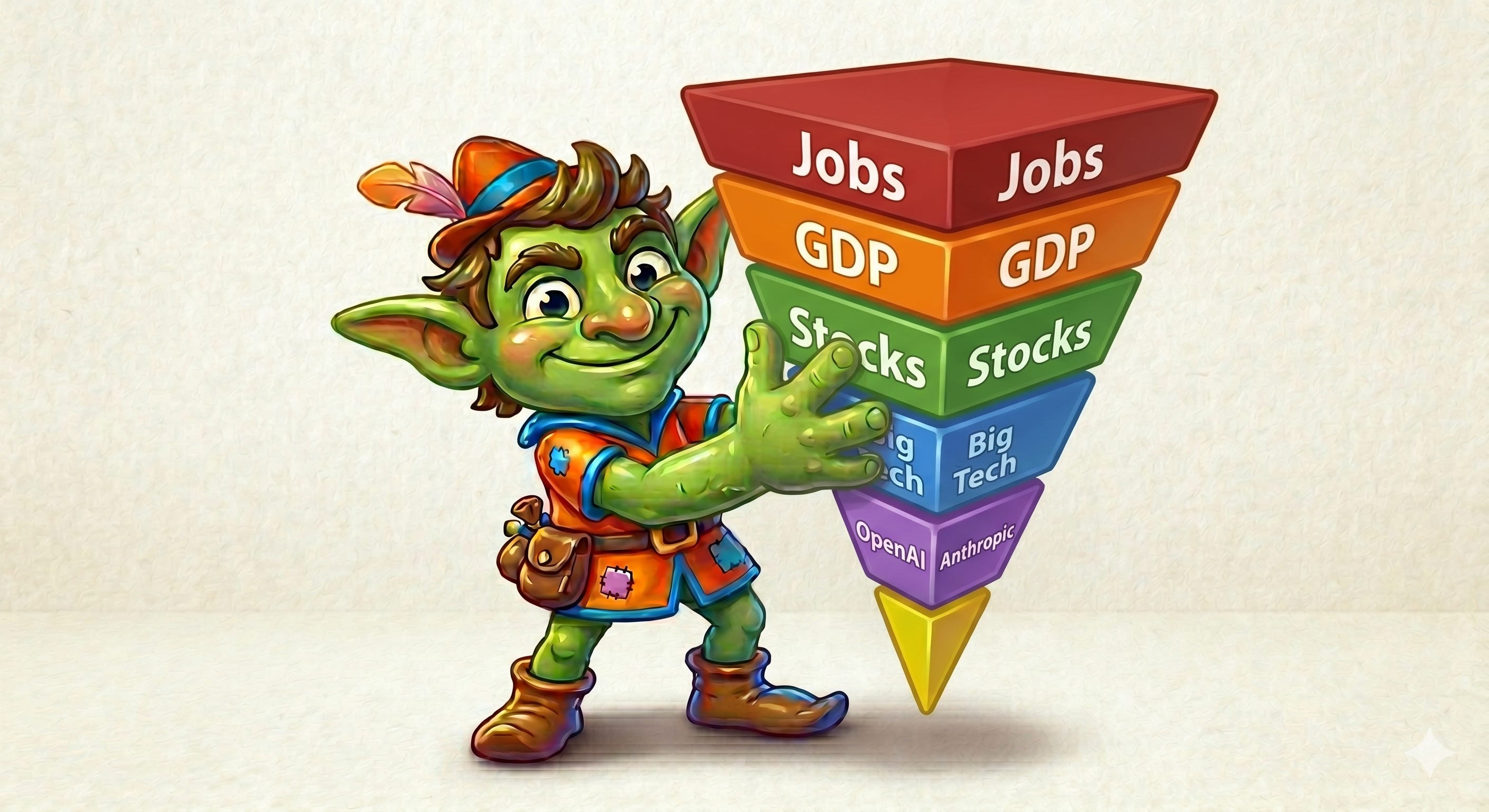
Our GDP growth, stock markets, and job growth are overwhelmingly dependent on data center construction. Data center construction is dependent on the capital expenditures of five companies. The spending decisions of those five companies depend on the performance of two startups. The performance of these two startups depends on a handful of researchers. And those researchers do not fully understand what they are doing.
Let’s start at the end. Last week, OpenAI published a blog post about its effort to figure out why ChatGPT keeps talking about goblins:
Starting with GPT‑5.1, our models began developing a strange habit: they increasingly mentioned goblins, gremlins, and other creatures in their metaphors. Unlike model bugs that show up through a tanking eval or a spiking training metric and point back to a specific change, this one crept in subtly. A single “little goblin” in an answer could be harmless, even charming. Across model generations, though, the habit became hard to miss: the goblins kept multiplying, and we needed to figure out where they came from.
The post then explained why this may have happened and what OpenAI has done to stop it. You’re welcome to read the explanation in the original post, but it boils down to this: the people who design ChatGPT do not fully understand how it works and cannot predict how it will behave. In their own words:
Depending on who you ask, the goblins are a delightful or annoying quirk of the model. But they are also a powerful example of how reward signals can shape model behavior in unexpected ways…
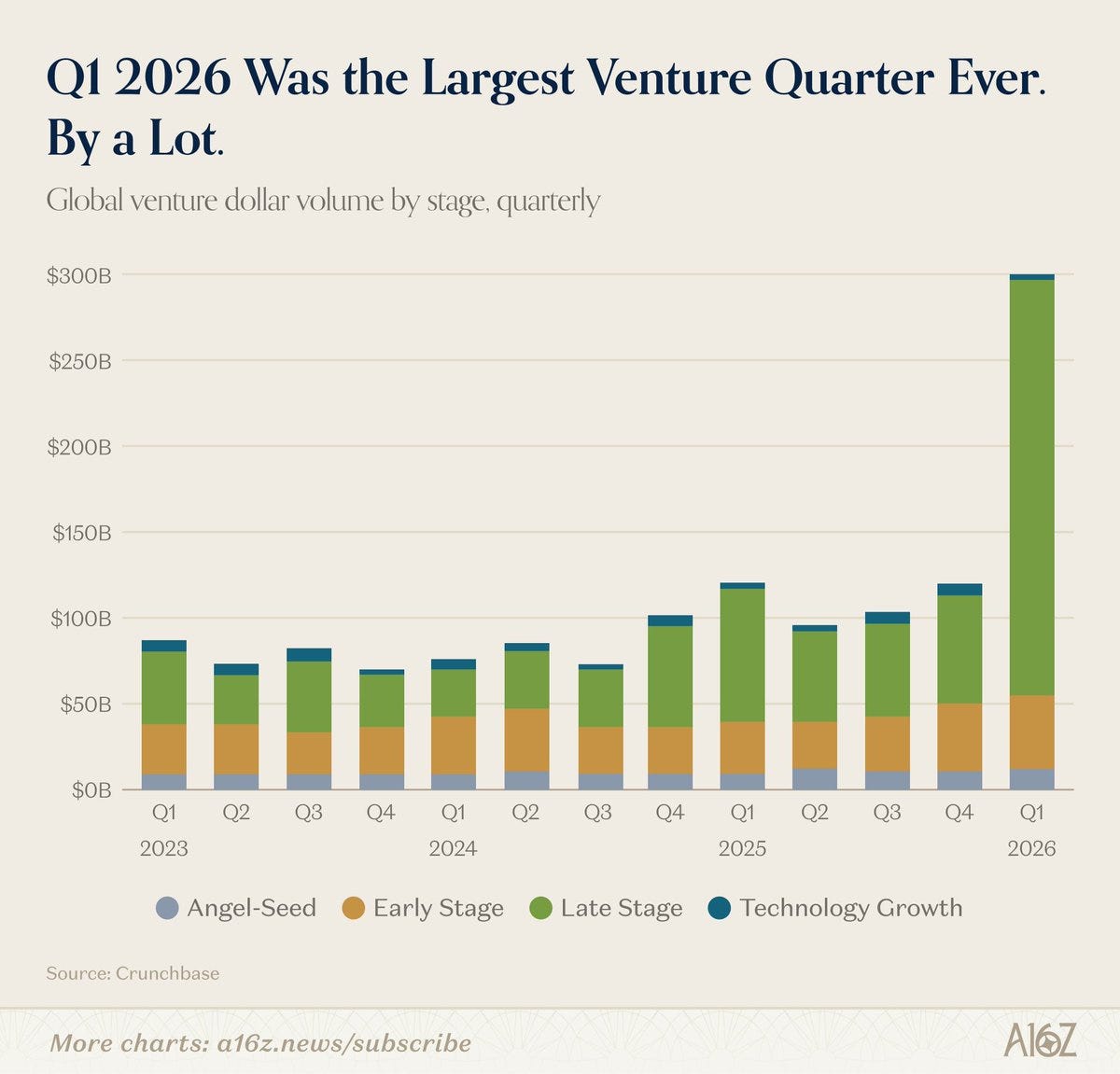
And then there is the rest of the economy. The launch of ChatGPT kicked off an unprecedented investment boom. The first few months of 2026 saw more venture capital being poured into startups than at any previous point in history. Most of that money went to two companies: Anthropic and OpenAI.
Over the past three years, Anthropic and OpenAI have grown their revenue from zero to an annualized rate of around $40 billion each. This revenue growth signals strong demand from actual customers. It also fuels a massive demand for new data centers and the components that go into them.
That demand has fueled the revenue and valuation growth of a handful of giant tech companies such as Nvidia (which designs AI chips), Microsoft (which operates data centers), Amazon (which designs AI chips and operates data centers), Meta (which operates data centers and is developing a cutting-edge AI model), and Google (which designs AI chips and operates data centers and is developing a cutting-edge AI model).
These giant tech companies, in turn, have committed to investing more than $700 billion this year to build new data centers. That massive investment underpins America’s economic growth. As the Federal Reserve of St. Louis put it,
“recent investments in AI-related categories have contributed significantly to the real GDP growth in 2025. It has surpassed the contribution of IT components to the real GDP growth made during the dot-com boom, both in levels and as a share of GDP.”
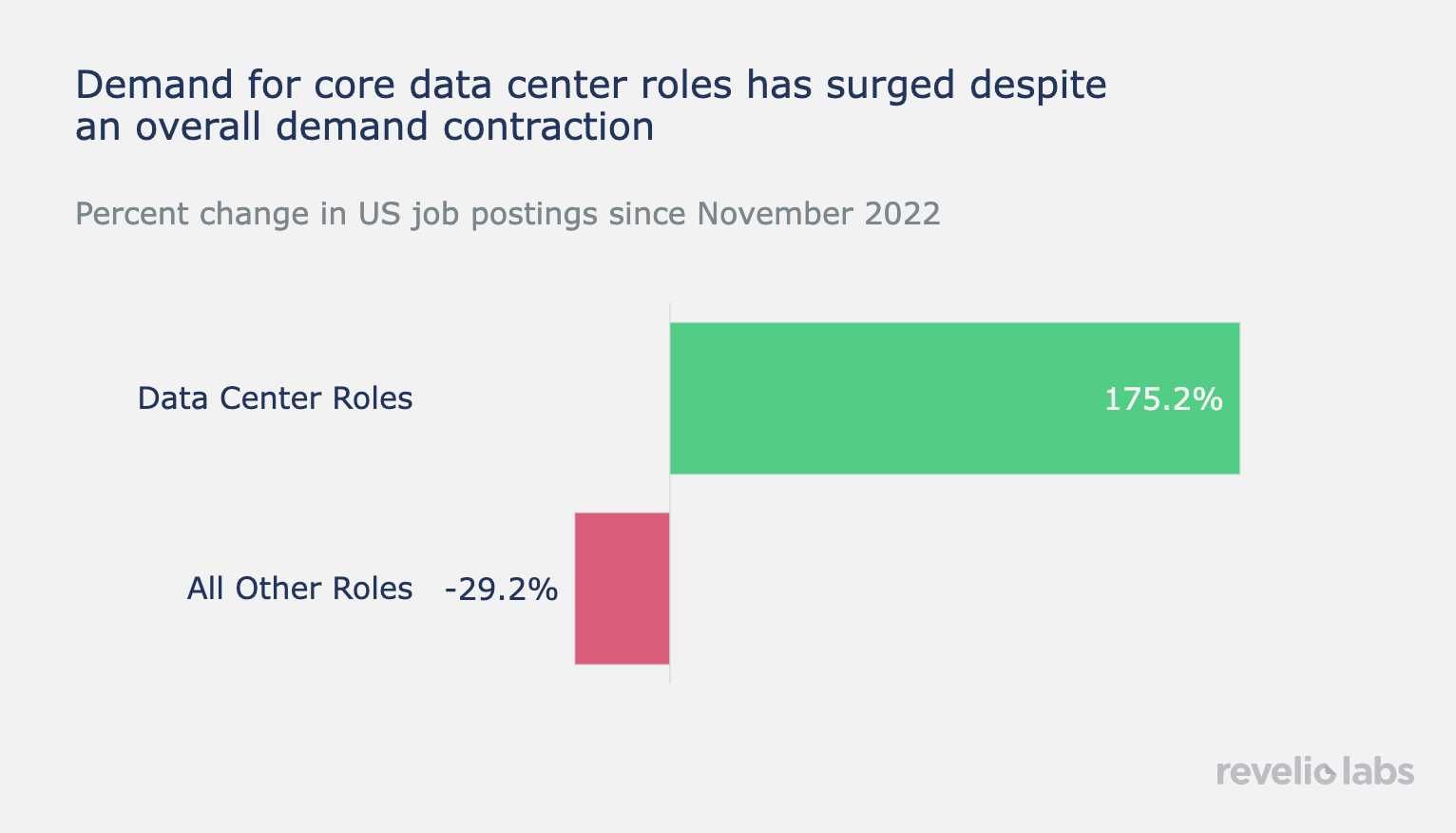
When it comes to jobs, the demand for data center construction-related positions is now offsetting the decline of all other job listings combined.
In addition, about 10 of the largest tech companies account for more than 40% of the S&P 500's total value and most of its revenue growth. That means even investors who are “not investing in tech” are heavily dependent on the performance of a handful of tech companies.
To sum it up: Demand from OpenAI and Anthropic underpins the revenue growth of the largest tech companies, which in turn underpin the stock market, and whose spending underpins GDP and job growth. Meanwhile, the models developed by OpenAI and Anthropic behave in ways that their own developers cannot predict and do not fully understand.
In other words, our economy is now an upside-down pyramid held up by a goblin. The people building AI are not particularly reckless, and they are definitely not stupid. But they are doing something genuinely new: building systems powerful enough to move the world before anyone fully understands how they work.
Have a great week,

Psst, are you a workplace executive?
Next month, I will be in London for a workshop about the future of work and workplaces. It’s a very cool gathering, in a very cool spot, with very cool perks. Would you like to join us? The organizers are looking for senior leaders & executives leading corporate workplace strategy based in the UK & Europe. If this sounds like you, drop me a line.
🎤 How will AI reshape our cities, companies, and careers? My speaking schedule for the year is filling up. Visit my speaker profile and get in touch to learn more.
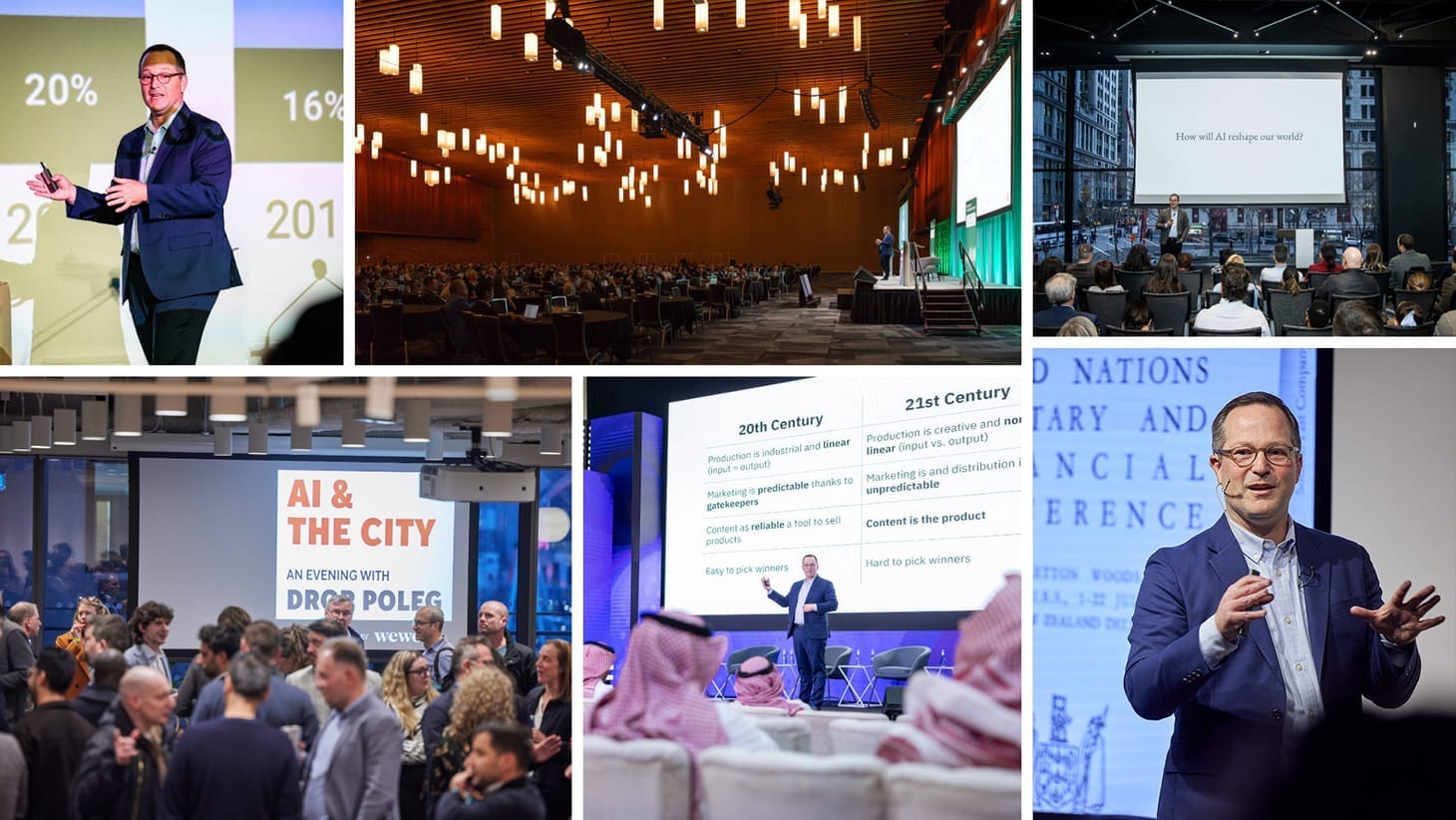
Click here to book a keynote or learn more.
Goblins!!
“An upside-down pyramid held up by a goblin” is such a good description of the current moment. And that the people at the very tip of the pyramid openly admit they don’t fully understand what they’re building, but the honest answer from everyone holding the pyramid up seems to be “yes but the revenue is real so we keep going.” The goblins are almost reassuring by comparison.